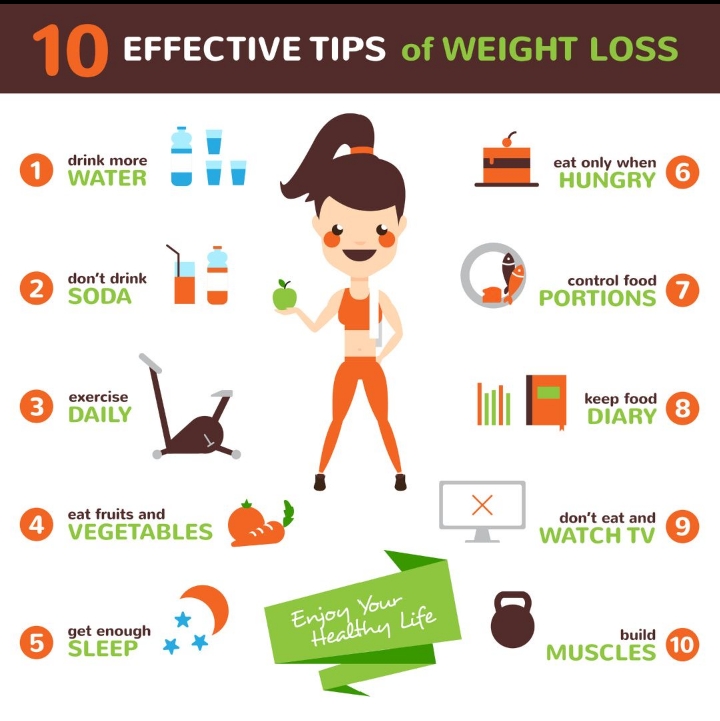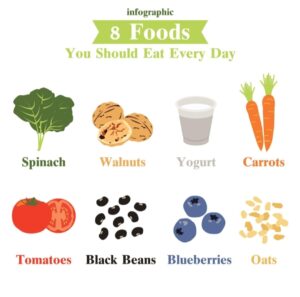
Eating healthy doesn’t mean following a strict diet or buying expensive foods. In fact, many everyday foods you already know can support a healthy lifestyle when eaten regularly and in balanced amounts.
This article covers 8 simple, affordable foods that help support energy, digestion, and overall well-being. No jargon. No extreme rules. Just practical choices you can stick with.
Why Everyday Foods Matter
A healthy lifestyle is built on daily habits, not short-term plans. Foods you eat often have the biggest impact on how your body feels and functions.
Everyday foods work because they:
- Are easy to find
- Fit into normal meals
- Support long-term health
- Are easier to eat consistently
You don’t need perfection—just better choices most of the time.
1. Fruits (Fresh or Seasonal)
Fruits are one of the easiest ways to support health naturally. They provide natural sweetness along with fiber and nutrients.
Simple ways to eat more fruit:
- Add fruit to breakfast
- Eat fruit as a snack
- Choose seasonal fruits when possible
Why fruits help:
- Support digestion
- Provide steady energy
- Help reduce cravings for sugary snacks
You don’t need exotic fruits. Local, seasonal options work just as well.
2. Vegetables (Cooked or Raw)
Vegetables are a foundation of a healthy lifestyle. They support digestion, energy, and overall balance.
Easy vegetable habits:
- Add vegetables to lunch and dinner
- Include cooked vegetables if raw ones don’t suit you
- Mix different colors when possible
Why vegetables matter:
- Support gut health
- Help you feel full
- Support daily nutrition
Even small portions daily make a difference.
3. Whole Grains
Whole grains provide steady energy and help you stay satisfied longer than refined foods.
Common whole grains:
- Rice (especially less processed varieties)
- Oats
- Whole wheat products
- Millets
Benefits:
- Support digestion
- Provide long-lasting energy
- Help avoid energy crashes
Portion size matters, but you don’t need to avoid grains completely.
4. Eggs or Plant-Based Protein Alternatives
Protein supports muscle health, recovery, and fullness.
Easy protein options:
- Eggs
- Lentils and beans
- Chickpeas
- Paneer or tofu
Why protein helps:
- Keeps you full longer
- Supports strength and activity
- Helps maintain energy levels
Including some protein in each meal supports a balanced lifestyle.
5. Nuts and Seeds
Nuts and seeds are small but powerful. They’re easy to add to meals and snacks.
Simple ways to include them:
- A small handful as a snack
- Added to salads or meals
- Mixed into breakfast foods
Benefits:
- Support heart health
- Provide healthy fats
- Help control hunger
A little goes a long way.
6. Yogurt or Curd
Fermented foods like yogurt or curd support digestion and gut balance.
Easy tips:
- Choose plain versions when possible
- Eat with meals or as a snack
- Add fruit for natural sweetness
Why it helps:
- Supports digestion
- Helps with nutrient absorption
- Fits easily into daily meals
Regular intake supports gut health naturally.
7. Healthy Cooking Oils (Used in Moderation)
You don’t need to avoid fats completely. The type and amount matter more.
Better options:
- Oils used traditionally in home cooking
- Natural fats in small amounts
Why moderation matters:
- Supports nutrient absorption
- Adds flavor and satisfaction
- Helps meals feel complete
The goal is balance—not removal.
8. Water
Water is often overlooked, but it’s essential for a healthy lifestyle.
Simple hydration habits:
- Drink water after waking up
- Sip water throughout the day
- Drink water before meals
Benefits:
- Supports digestion
- Improves energy
- Helps control appetite
Many people feel better just by drinking more water consistently.
How to Build Meals Using These Foods
You don’t need a special plan. A simple balanced meal can look like:
- Vegetables + grains + protein
- Fruit as a snack
- Nuts or yogurt between meals
- Water throughout the day
Simple combinations repeated daily work best.
Common Mistakes to Avoid
❌ Trying to eat perfectly
❌ Removing entire food groups
❌ Overeating “healthy” foods
❌ Following trends instead of habits
Healthy eating is about consistency, not rules.
How Long Before You Notice Benefits?
Many people notice:
- Better digestion in 1–2 weeks
- More stable energy levels
- Improved meal satisfaction
- Fewer cravings
These changes build gradually and last longer.
Final Thoughts
A healthy lifestyle doesn’t require complicated diets. It starts with everyday foods eaten regularly and mindfully.
Focus on:
- Simple meals
- Real foods
- Balanced portions
- Consistent habits
Small daily choices with these foods can support long-term health naturally.